
Preparation for Financial Disaster
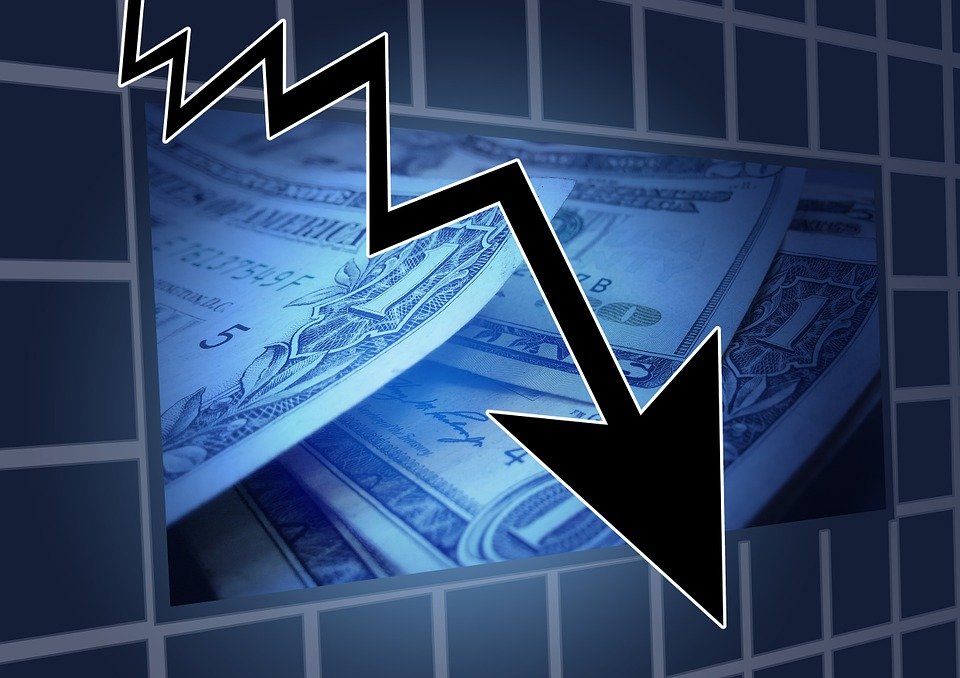 Should you be concerned about an economic collapse? Perhaps you are reading this from a country that has or is now experiencing such an event. If you live in the United States, do you believe the banking system could fail?
A financial emergency could be a very personal incident, such as the loss of a job or a sudden catastrophe not covered by insurance. It could be more widespread, as an extended power outage. Or it could be a national event such as a rapid drop in the stock market, even though there are preventative measures in place to guard against this happening. Are you prepared?
According to a Federal Reserve survey, over 46% of Americans have less than $400 put back for emergencies. That means when faced with a small, unexpected expense, almost one in two people would find it necessary to obtain funds from someone else to resolve the issue.
We have become a nation that relies on debt for our daily needs. Even if we “have” the funds to meet current expenses, we don’t really have them. Because we are quickly becoming a cashless society, we depend on the ability to process our credit or debit cards or otherwise make an electronic transfer of funds on paper in order to conduct daily business. At some point – perhaps temporarily, perhaps for a longer term – the system that processes these transactions will fail. It may be localized, or it may be national or even global. But it will happen. Minor, isolated instances already have, and some have referred to these as “false flags,” covert operations designed for deception and to test how a population will respond.
How can you be prepared if such a crisis should occur? Here are five steps you can take. The first two should already be your practice so that you are not part of the 46% who cannot even handle small unexpected expenses. The next three will progressively get you through should the money system begin to fail.
 Build an Emergency Fund

Some have suggested one to three month’s salary as a minimum. A better reserve would be one that could cover at least six months’ anticipated expenses. You may also build a savings for specific purposes, and you should be saving for retirement. But this fund is for emergencies only, and if you should encounter an emergency, you should replenish it as soon as possible.
Get Out of Debt
Debt is one of the biggest drains on current income. It obligates you to a third party, encumbers your assets and prevents you from developing the emergency fund and other resources that you need for your financial security. This is also a Biblical injunction: “Owe nothing to anyone except to love one another” (Romans 13:8).
While you are working on these two strategies, be prepared with these steps in a financial collapse:
 Keep Cash at Home

This may sound strange at first, especially if the outlook is that cash will be worthless. However, in the immediate onslaught of a banking crisis, cash is king. Most people do not have physical cash in their hands. Remember the recent bank crisis in Greece? Cash withdrawals were severely limited, with people attempting to withdraw the maximum small amounts every day. If ATMs fail, many people simply will not have cash. If you can make transactions using cash, you will be in control. Use it while you can, as the longer the crisis endures the less valuable the cash will become.
Accumulate Items to Barter
When cash becomes worthless, things that are useful will become the currency of trade. What might those items be? This is where you will need to be creative. Think of things that might be needed but in short supply, even if they are things you don’t personally need. Ammunition, batteries, personal care items, lighters, candles and tools could be useful. You can also barter your skills, so if you need tools of any kind to perform your skill make sure they are available.
 Accumulate Gold and Silver
These precious metals have been standard currency for thousands of years. In the Bible, the Hebrew word for “silver” and for “money” is the same. When cash is worthless and you no longer have barter items you can spare, real gold and silver is the way you will purchase what you need. While you may barter with gold and silver jewelry, now you will want coins. This may be bullion, foreign silver coins or “junk” silver – US coins minted in 1964 or before and containing 90% silver.
For more information regarding a collapse of the financial system and other impending crises, read Get Prepared Now by Michael T. Snyder, author of The Economic Collapse Blog. Snyder and his co-author, Barbara Fix, offer practical advice on preparation for and survival through coming disasters. You can read my review of Get Prepared Now here.
Comments
Preparation for Financial Disaster — No Comments
HTML tags allowed in your comment: <a href="" title=""> <abbr title=""> <acronym title=""> <b> <blockquote cite=""> <cite> <code> <del datetime=""> <em> <i> <q cite=""> <s> <strike> <strong>