
Easy Water Storage
 It is often said that a person can live three minutes without air, three days without water and three weeks without food. Water is an essential item to have on hand in case of an emergency. A general rule is one person will require one gallon of water for one day. A single person will need to have three gallons of water stored for a 72-hour emergency. For a family of four, those three days will require 12 gallons, and for a week it would mean you need 28 gallons of water.
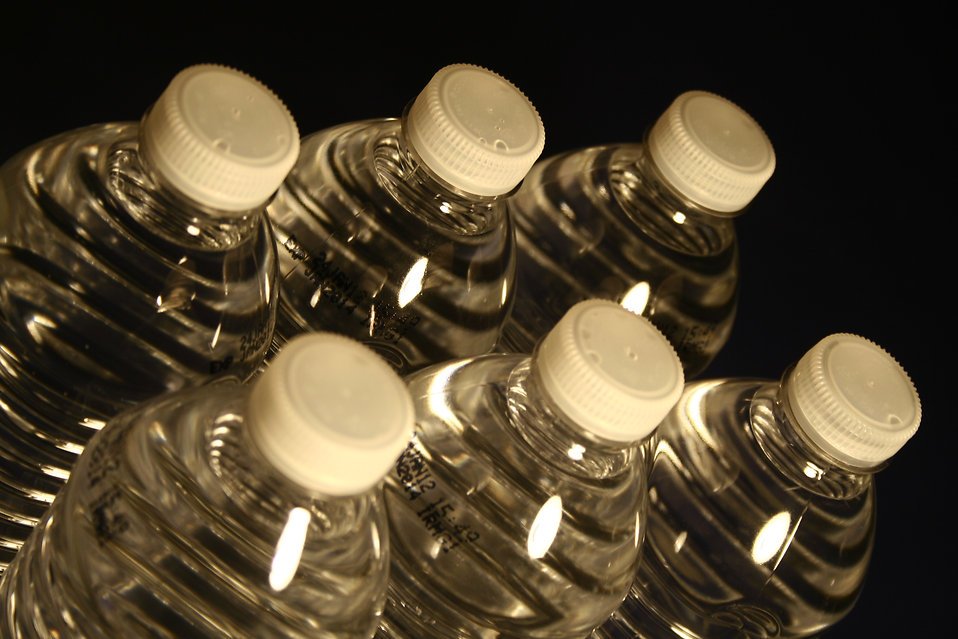
Anyone can store water with a little effort, even if you have limited space or a limited budget. Usually someone will have a case of bottled water on sale. The last time I went to Walmart, 28 500ml bottles totaling a little more than three and a half gallons cost me $3.48. Following the rules above, one case per person is sufficient for three days.
A case of bottled water will weigh around 30 to 35 pounds, depending of course on how many bottles there are. They are about 8-inches tall, and you may be able to slide the case of water underneath your bed or some other furniture. Look for available space on the floor of a closet. By purchasing and storing cases of bottled water, it is not necessary to put it all in the same place.
Use a permanent marker, like a Sharpie, and write the date of purchase on the package. Rotate them when you use bottled water, but don’t be overly concerned about how old they are. The bottles are stamped with a “best by” date – usually a year from the date of manufacture – but they will be safe well beyond that date if they are unopened. They are Type 1 plastic, marked as such on the bottom, and are safe from leaching.
One gallon jugs are also easy to store, and you may find two and a half or five gallon jugs convenient as well. Jugs and even cases of bottled water are easy to grab and go if you find that necessary.
If you have space, you may also want to consider larger containers. 15-, 30- and 55-gallon barrels are available, made for water storage. You can even get 160-gallon containers that can be stacked for a total of 320 gallons of water. But be very careful – 320 gallons of water will weigh well over a ton! Even a 55-gallon barrel will weigh around 460 pounds, so wherever you store it must be able to support this weight. Be sure you put it where you want it, because once it is filled it will be very difficult to move.
Store your water out of the sunlight. In colder climates, also be sure it will not freeze. Water kept in barrels or other large containers should also be treated, either with a few drops of unscented chlorine bleach (about 16 drops per gallon) or with commercially available water treatment tablets.
In the event of an emergency where your normal source of water may be threatened, you should immediately fill available containers – pans, jars, pitchers, and anything else you can think of. Plug your bathtub and fill it (but do not drink water from the bathtub or toilet tank).
There are a number of different methods for filtering water. Many people filter their drinking water now, as there are a lot of chemicals and other impurities, as well as just bad taste, in our tap water. For long-term planning, you should have a good quality filter system (like a Berkey or Katadyn). Make sure you also keep replacement filter elements on hand. You can get a portable filter or drinking straw for your go-bag or to carry in your vehicle. Hikers and campers routinely use these items.
If you have a well and electric pump, you have probably already experienced what happens when the pump stops. If at all possible, provisions should be made so that you can use a manual pump in the event of a power outage. In urban and suburban locations, an extended widespread power outage could mean municipal pumps will cease operation. You need a plan for when the water stops flowing, including what to do with waste since toilets will no longer flush. These are longer term plans that you should be thinking about while you begin storing water now.
Comments
Easy Water Storage — No Comments
HTML tags allowed in your comment: <a href="" title=""> <abbr title=""> <acronym title=""> <b> <blockquote cite=""> <cite> <code> <del datetime=""> <em> <i> <q cite=""> <s> <strike> <strong>